Entertainment is more than a way to pass the time. It influences what people talk about, how they express themselves, and even what they buy. Today, the forces shaping popular culture extend beyond film and television to include social media, gaming, live events, and technology. Here are some of the biggest trends changing how audiences discover and experience entertainment.
Streaming Is Changing How Stories Are Told
Streaming platforms have transformed viewing habits. Audiences can watch entire seasons at once, choose from vast libraries, and find programs from around the world. This freedom has encouraged new storytelling formats, including shorter episodes, limited series, and stories designed to keep viewers watching from one installment to the next.
The change has also raised expectations. People want convenient access, personalized recommendations, and fresh content. At the same time, the growing number of platforms can make it harder for viewers to decide what to watch. The result is a competitive entertainment landscape where a compelling story can become a major cultural conversation almost overnight.
Creators Are Becoming Media Powerhouses
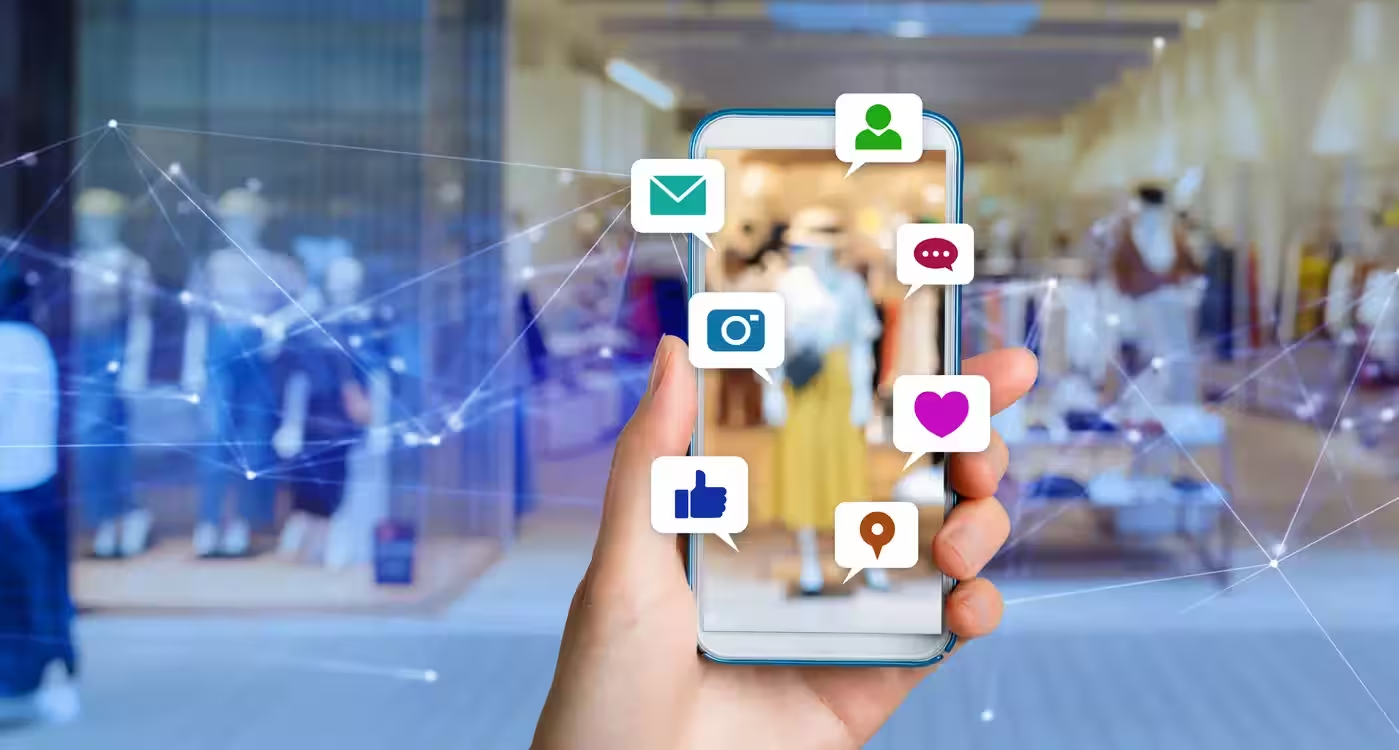
Social media creators now play a central role in popular culture. Influencers, comedians, reviewers, and video essayists can build loyal audiences without relying on traditional studios or broadcasters. Their work often feels personal and direct, helping viewers form a stronger connection with the person behind the screen.
This creator-led culture also blurs the line between entertainment and everyday life. A short video can launch a song, inspire a fashion trend, or introduce a new catchphrase. Established entertainment companies increasingly collaborate with creators because they understand online communities and know how to make content that feels native to social platforms.
Fandoms Have More Influence
Fans are no longer just consumers; they help shape the success and meaning of the entertainment they love. Online communities analyze storylines, create fan art, share theories, and organize around favorite artists or fictional worlds. Their enthusiasm can sustain interest between releases and bring older titles back into the spotlight.
Fandom also gives audiences a way to connect with one another. However, its influence can bring pressure as well as excitement. Creators may face intense scrutiny, and disagreements among fans can become highly visible. Even so, active fandoms have become an important part of how entertainment is promoted, discussed, and remembered.
Global Stories Are Finding Wider Audiences
Audiences are increasingly discovering entertainment made in countries and languages different from their own. Subtitles, dubbing, and international streaming distribution have helped films, television series, and music travel across borders. A story rooted in a particular culture can resonate widely when it explores emotions and experiences people recognize.
This exchange is influencing mainstream entertainment, too. Viewers encounter new sounds, styles, and perspectives, while artists and studios draw inspiration from a broader range of cultural traditions. The trend creates opportunities for greater representation, though meaningful cultural exchange depends on acknowledging the creators and communities behind the work.
Gaming and Interactive Entertainment Keep Expanding
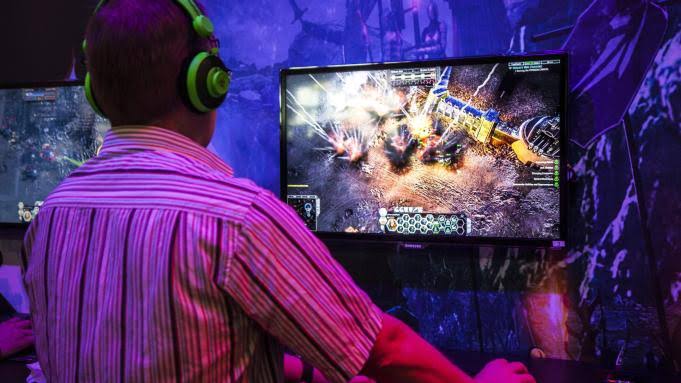
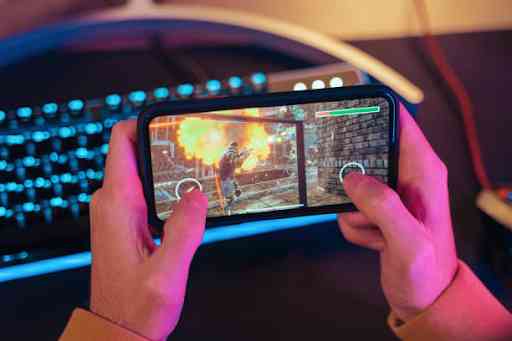
Video games have become a major social and cultural space. Players do more than complete challenges: they meet friends, attend virtual events, watch livestreams, and participate in shared stories. Gaming increasingly overlaps with music, film, sports, and fashion, creating entertainment experiences that move across different media.
Interactivity is part of the appeal. Instead of simply watching a story unfold, players can influence what happens or explore a world at their own pace. This participation has also shaped expectations for entertainment more broadly, as audiences look for experiences that invite them to take part.
Technology Is Creating New Possibilities
Artificial intelligence and other digital tools are changing how entertainment is produced and experienced. They can support editing, visual effects, music discovery, and personalized recommendations. Virtual and augmented reality also offer ways to make audiences feel closer to a performance or story.
These tools raise important questions about creative ownership, consent, and the future of creative work. Technology can expand what artists are able to do, but its use requires thoughtful choices and respect for human creators.
The Audience Is Part of the Culture
The defining entertainment trend may be the growing role of the audience. People discover, remix, discuss, and share what they enjoy, helping shape which stories and artists rise to prominence. As platforms and technologies continue to change, popular culture will remain a conversation—one created by artists, companies, and audiences together.