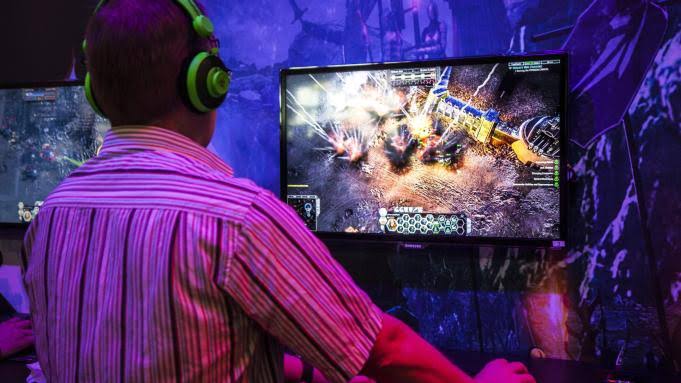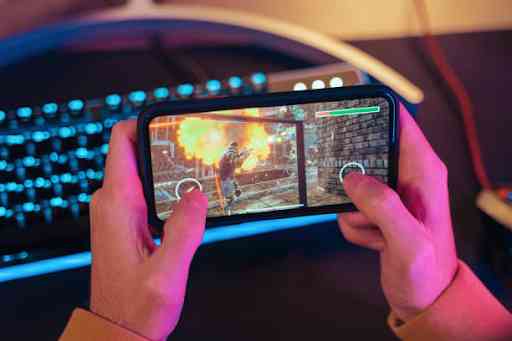
Multiplayer games have become one of the defining features of modern digital entertainment. What once meant gathering around a single television or meeting friends at an arcade now includes players connecting across countries, devices, and time zones. From cooperative adventures to competitive esports, multiplayer gaming has transformed how people play, socialize, and experience stories.
From Local Play to Global Networks
Early multiplayer games were often limited to local settings. Friends shared a console, took turns at a computer, or connected through a local network. The arrival of widespread internet access changed that model. Online services allowed players to compete or cooperate without being in the same room, opening games to much larger communities.
Today, a player can join a match with friends on another continent in seconds. Cross-platform play has made this even easier, allowing people using different consoles, computers, or mobile devices to play together. Multiplayer gaming is no longer tied to a particular place or piece of hardware; it is an ongoing social experience available wherever an internet connection exists.
Gaming as a Social Space
For many players, multiplayer games are as much about connection as competition. Team-based games encourage communication and collaboration, while shared virtual worlds give friends a place to meet, explore, and create memories. Some players use games to stay in touch with family or friends who live far away.
These digital spaces can also help people find communities built around shared interests. Players form teams, join guilds, share strategies, and celebrate achievements together. Voice chat, messaging, and livestreaming further connect gameplay to everyday social life. A gaming session may include catching up with friends just as much as completing an in-game objective.
This social dimension became especially visible during periods when meeting in person was difficult. For many people, online games provided a way to spend time together and maintain routines. While virtual interactions are not a substitute for every form of social contact, they can offer a meaningful sense of participation and belonging.
The Growth of Esports and Streaming
Competitive multiplayer games have also helped create esports, where skilled players and teams compete in organized leagues and tournaments. Major events attract large audiences, and successful competitors can build careers through sponsorships, prize money, and media work. Esports has developed its own stars, rivalries, and fan culture.
Streaming platforms have expanded this audience even further. Viewers can watch skilled players, follow tournament matches, or enjoy entertaining commentary. This turns gaming into a shared spectacle: audiences discuss strategies, celebrate victories, and react to dramatic moments together. For some people, watching games is now as enjoyable as playing them.
Business Models and New Challenges
The rise of multiplayer gaming has also changed how games are funded and maintained. Many titles receive regular updates, seasonal events, and new content long after release. Free-to-play games can welcome large audiences, while optional purchases help support ongoing development.
These models can keep communities active, but they also raise concerns. Players may face pressure to spend money on cosmetic items, expansions, or limited-time rewards. Other challenges include cheating, harassment, privacy risks, and the need to balance screen time with other activities. Developers and platform operators continue to work on moderation tools, fair-play systems, and safer online environments, though these issues remain ongoing.
A Lasting Part of Digital Culture
Multiplayer games have grown from a feature into a central part of digital entertainment. They bring people together, create new forms of competition, and give communities spaces to collaborate and express themselves. As technology advances, games will likely become more connected through cloud services, virtual reality, and increasingly seamless cross-platform play.
The appeal, however, remains familiar: people enjoy sharing experiences. Whether players are working toward a common goal, competing for a championship, or simply talking while they explore a virtual world, multiplayer games make entertainment interactive and social. Their continued growth reflects not just changing technology, but a lasting human desire to play together.