Entertainment has always reflected the way people live, communicate, and connect. In the past, audiences gathered around radios, visited cinemas, or waited for a favorite television program to air. Today, digital technology has transformed how entertainment is created, shared, and enjoyed. Streaming platforms, social media, video games, and mobile devices have made content more accessible—and more personal—than ever before.
Entertainment on Demand
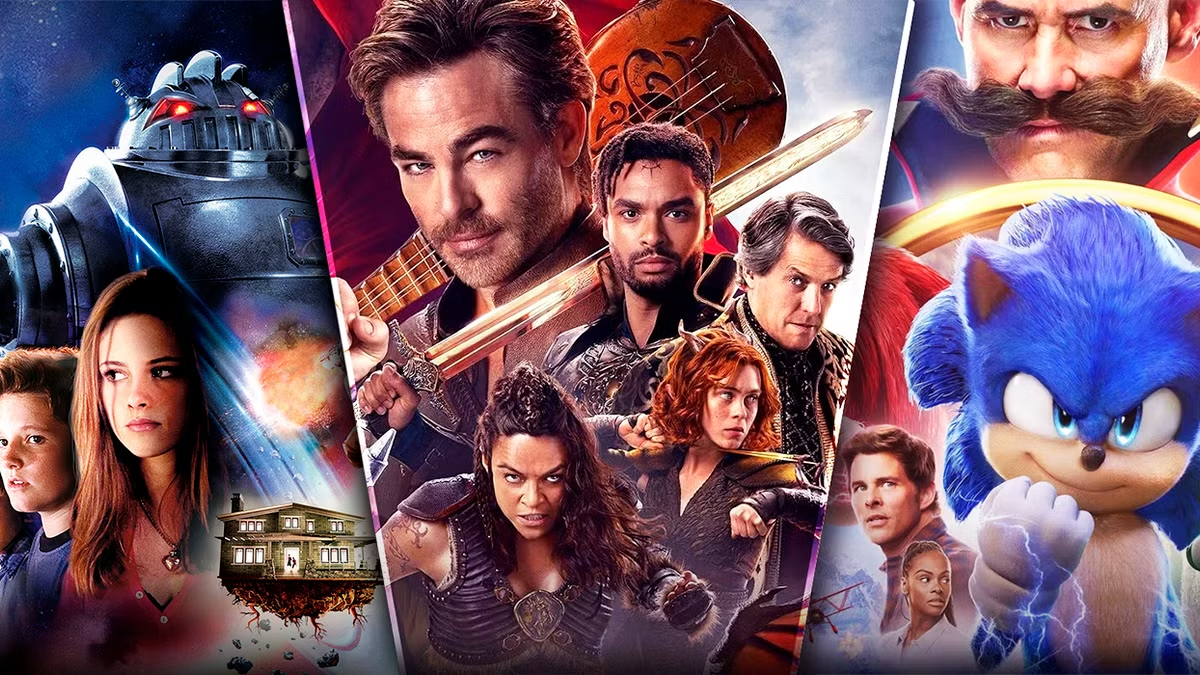
One of the most noticeable changes is the shift from scheduled programming to on-demand access. Viewers no longer need to plan their evenings around television schedules. Streaming services allow them to watch films and series whenever they choose, often across multiple devices. Music platforms offer vast libraries that listeners can explore instantly, while podcasts bring news, stories, and discussions to people during commutes or household tasks.
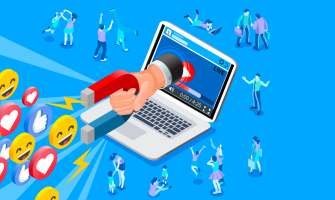
This convenience has changed audience expectations. People increasingly want content that is available immediately and tailored to their interests. Recommendation systems help users discover new shows, songs, and creators based on what they have previously watched or listened to. While these suggestions can make finding content easier, they can also narrow people’s choices by repeatedly showing them similar material.
Audiences Become Creators
Digital tools have also changed who gets to make entertainment. In the past, producing and distributing a film, song, or television program usually required significant funding and access to established companies. Now, a smartphone and an internet connection can be enough to publish a video, record music, or share a performance with a global audience.
Social platforms have helped independent creators build communities and careers. Short-form videos, livestreams, and online series can attract millions of viewers without traditional media networks. This has introduced audiences to new voices and styles, while giving creators more direct relationships with their fans. However, standing out in a crowded online environment can be difficult. Creators may face pressure to post constantly, follow trends, and satisfy platform algorithms.
A More Interactive Experience
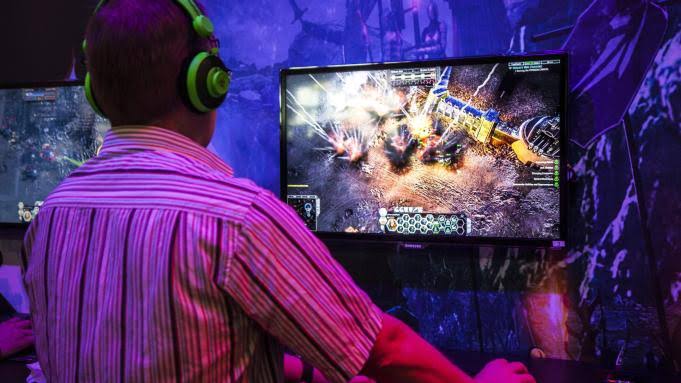
Entertainment is no longer limited to watching or listening. Video games allow players to shape stories, compete with others, and explore digital worlds. Livestreams let audiences comment in real time, while online communities discuss characters, share fan art, and influence how popular culture develops. Some productions even offer interactive choices that affect what happens next.
These experiences can make entertainment feel more social and participatory. People are not just consumers; they can become collaborators, performers, critics, and community members. At the same time, the boundaries between leisure and online life can blur. Notifications, endless feeds, and autoplay features may encourage people to spend more time on platforms than they intended.
Challenges Behind the Convenience
The digital entertainment landscape brings important concerns. Personal data may be collected to personalize recommendations and target advertising. Subscription costs can add up as films, sports, music, and television are spread across different services. There are also questions about fair compensation: while digital platforms make distribution easier, many artists and creators struggle to earn a stable income.
Access is another issue. Reliable internet, up-to-date devices, and paid subscriptions are not equally available to everyone. As entertainment moves online, people without these resources may be excluded from cultural experiences and communities.
Looking Ahead
Technology will continue to reshape entertainment through artificial intelligence, virtual reality, and increasingly immersive forms of storytelling. These tools may create exciting possibilities, but their value will depend on how thoughtfully they are used. Audiences will still seek the same things they always have: stories that move them, music that connects them, and experiences they can share.
The digital age has not simply replaced traditional entertainment. It has expanded the ways people discover and participate in it. The challenge now is to make this new landscape creative, accessible, and fair—so that technology serves both audiences and the people whose work brings entertainment to life.